
The Safe Use of Intraoperative Tourniquets
The Crucial Tourniquet: A Story of Safe Practice
In a bustling orthopaedic operating room, Ms. Laura Carter prepared for another complex knee surgery. Her patient, Mr. James Thompson, a 58-year-old man, was scheduled for a total knee replacement. As always, Ms. Carter was meticulous about every detail, especially when it came to the safe use of tourniquets.
The Preoperative Briefing
Before the procedure, Ms. Carter and her team gathered for a preoperative briefing. They reviewed the patient's medical history, noting his hypertension, which could affect tourniquet pressure settings. Adherence to the latest guidelines for tourniquet use was emphasized.
"Remember," Ms. Carter said, "we need to document every detail about the tourniquet's application and ensure it's used safely to avoid any complications."
Application of the Tourniquet
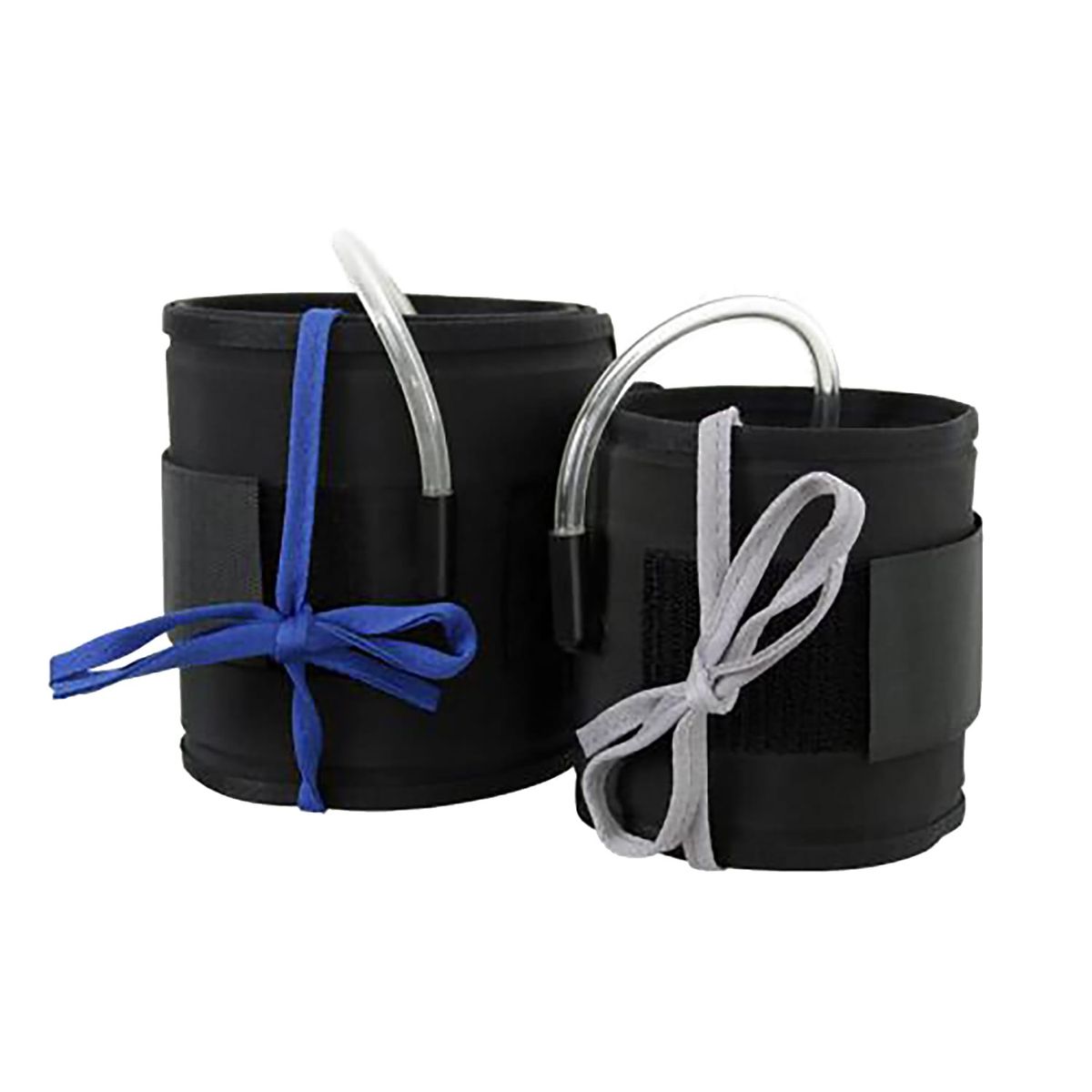
Once Mr. Thompson was anaesthetized, Ms. Carter personally inspected the condition of the tourniquet site. She ensured there was a thin, even layer of padding applied to his upper thigh to prevent direct skin contact and potential injuries. The tourniquet used was a pneumatic one, equipped with a pressure gauge and a timer alarm, adhering to regulatory standards.
"Tourniquet on," the scrub nurse announced, as she set the pressure to Mr. Thompson’s systolic blood pressure plus 70 mmHg, as per the guidelines for lower limb surgery in patients over 16 years old.
Meticulous Documentation
Every detail was meticulously recorded in the operative record:
- The condition of the site prior to application.
- The type and make of the tourniquet.
- The method used to isolate skin preparation fluids from seeping under the tourniquet, using a waterproof barrier.
- The method of exsanguination used, ensuring there was no risk of infection, malignancy, or DVT in Mr. Thompson's medical history.
- The exact pressure setting and duration of use.
During the Procedure
The surgery progressed smoothly. The pneumatic tourniquet, with its pressure gauge, ensured constant monitoring. Ms. Carter was aware that the ischaemic tourniquet time should ideally be kept under 120 minutes. She communicated regularly with the anaesthetist to monitor the patient’s vitals closely.
When the surgery reached 110 minutes, the timer alarm set at 10-minute intervals started reminding Ms. Carter of the time elapsed. This prompt helped her manage the remaining surgical steps efficiently, ensuring no unnecessary delays.
Concluding the Surgery
At 118 minutes, the surgery was successfully completed. The tourniquet was promptly deflated, and Ms. Carter examined the condition of the tourniquet site. Fortunately, there were no signs of skin damage or burns. Detailed documentation followed:
- The condition of the site post-procedure.
- The exact duration the tourniquet was in place.
- Confirmation that no skin preparation fluids had seeped under the tourniquet.
Postoperative Care
Mr. Thompson was moved to the recovery room, where continuous monitoring ensured no complications arose from the tourniquet use. Ms. Carter reviewed the digital photographs taken of the site and ensured they were uploaded to Mr. Thompson’s patient record for thorough documentation.
Reflection and Education
In a debriefing session with her team, Ms. Carter highlighted the importance of adhering to guidelines and detailed documentation.
"Today's surgery was a success not just because of our skills but also because we followed safety protocols to the letter. It's crucial to remember that tourniquet use, while common, carries risks that we must always manage vigilantly," she emphasized.
Conclusion
Mr. Thompson’s surgery was a testament to the critical importance of adhering to guidelines for the safe use of tourniquets. Ms. Carter’s meticulous attention to detail ensured that every step was performed correctly, preventing potential complications and ensuring a smooth recovery for her patient. This story serves as a reminder of the importance of diligent practice, thorough documentation, and continuous education in maintaining patient safety in surgical settings.
 Harry Benjamin-Laing